


Essential Tips for Traveling with Your Pet on an Airplane
Traveling with a pet can be a rewarding experience, but it also requires careful planning and preparation. Taking your pet on an airplane involves more than just booking a ticket. You need to understand airline policies, prepare your pet for the journey, and ensure their comfort and safety throughout the trip. This guide offers practical advice to help you and your furry friend have a smooth and stress-free flight.
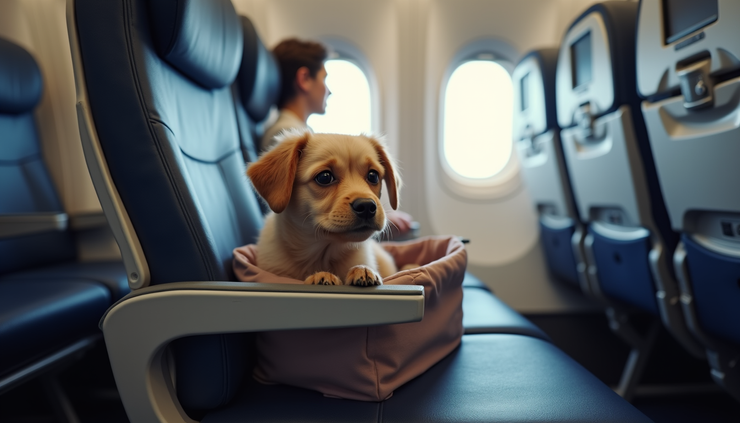
Check Airline Policies Early
Each airline has its own rules about traveling with pets. Some allow small pets in the cabin, while others require pets to travel in the cargo hold. Before booking your flight, visit the airline’s website or call customer service to learn about:
Pet size and weight limits
Carrier dimensions and requirements
Fees for pet travel
Health certificates or vaccination records needed
Restrictions on certain breeds or species
Booking early is important because airlines often limit the number of pets allowed on each flight. Confirm your pet’s spot as soon as possible to avoid last-minute issues.
Choose the Right Carrier
Your pet’s carrier is their safe space during the flight. It should be comfortable, well-ventilated, and meet airline size requirements. Here are some tips for selecting the right carrier:
Size: Your pet should be able to stand, turn around, and lie down comfortably.
Material: Soft-sided carriers fit better under airplane seats, but hard-sided carriers offer more protection.
Ventilation: Look for carriers with mesh panels or ventilation holes on multiple sides.
Security: Ensure the carrier has sturdy zippers or locks to prevent accidental escapes.
Comfort: Add a familiar blanket or toy to help your pet feel secure.
Test the carrier at home before the trip. Let your pet explore it and spend time inside to reduce anxiety.
Prepare Your Pet for the Flight
Flying can be stressful for pets, especially if it’s their first time. Preparation helps reduce anxiety and makes the journey safer.
Visit the Veterinarian: Schedule a check-up to ensure your pet is healthy for travel. Ask about any vaccinations or health certificates required by the airline.
Exercise Before the Flight: A tired pet is a calmer pet. Take your dog for a long walk or play with your cat before heading to the airport.
Avoid Feeding Right Before the Flight: To prevent nausea, feed your pet a light meal a few hours before departure.
Acclimate to the Carrier: Encourage your pet to spend time in the carrier in the days leading up to the flight. Use treats and positive reinforcement.
Consider Calming Aids: Some pets benefit from natural calming sprays or pheromone collars. Consult your vet before using any medication.
At the Airport
Arriving early gives you time to check in and handle any unexpected issues. Here’s what to keep in mind:
Keep Your Pet Secure: Use a leash or harness when outside the carrier.
Stay Calm: Pets pick up on your emotions. Speak softly and stay relaxed.
Hydrate: Offer water before the flight but avoid overhydrating.
Security Screening: You may need to remove your pet from the carrier while the carrier goes through the X-ray machine. Hold your pet securely during this process.
Use Pet Relief Areas: Many airports have designated spots for pets to relieve themselves. Use these before boarding.
During the Flight
Your pet’s comfort during the flight depends on your preparation and care.
Keep the Carrier Under the Seat: This is usually required for pets in the cabin. It helps keep your pet secure and reduces stress.
Avoid Opening the Carrier: Resist the urge to open the carrier mid-flight. This prevents escapes and keeps your pet safe.
Stay Calm and Reassuring: Talk softly to your pet if they seem nervous. Your voice can be soothing.
Monitor Your Pet: Watch for signs of distress such as excessive panting, whining, or restlessness. If you notice serious issues, alert the flight attendants.
After the Flight
Once you arrive, your pet will need time to adjust.
Find a Safe Spot: Choose a quiet area to let your pet out of the carrier and stretch.
Offer Water and Food: Provide fresh water and a small meal once your pet has settled.
Check for Signs of Stress or Injury: Look for any signs of discomfort or injury and consult a vet if needed.
Allow Time to Adjust: Pets may feel disoriented after flying. Give them time to relax and get used to the new environment.
Special Considerations for Different Pets
Different animals have different needs when flying.
Dogs: Most airlines allow small dogs in the cabin. Larger dogs usually travel in cargo. Make sure your dog is comfortable in the carrier and used to being confined.
Cats: Cats often prefer quiet and dark spaces. A soft carrier with a familiar blanket helps. Keep the carrier covered with a light cloth to reduce stress.
Other Pets: Birds, rabbits, and other small animals may have special requirements. Check with the airline and your vet for specific advice.
Tips for International Travel with Pets
International flights add complexity to pet travel.
Research Import Requirements: Different countries have different rules for pet entry, including quarantine periods and vaccinations.
Prepare Documentation: Have all necessary health certificates, vaccination records, and permits ready.
Plan for Layovers: Long layovers can be stressful. Choose flights with minimal wait times or pet-friendly airports.
Consider a Pet Travel Agent: For complex trips, a professional can help navigate regulations and logistics.
Traveling with your pet on an airplane takes effort, but with the right preparation, it can be a positive experience for both of you. Start planning early, follow airline rules, and focus on your pet’s comfort and safety. Your careful attention will make the journey smoother and more enjoyable.


Comments